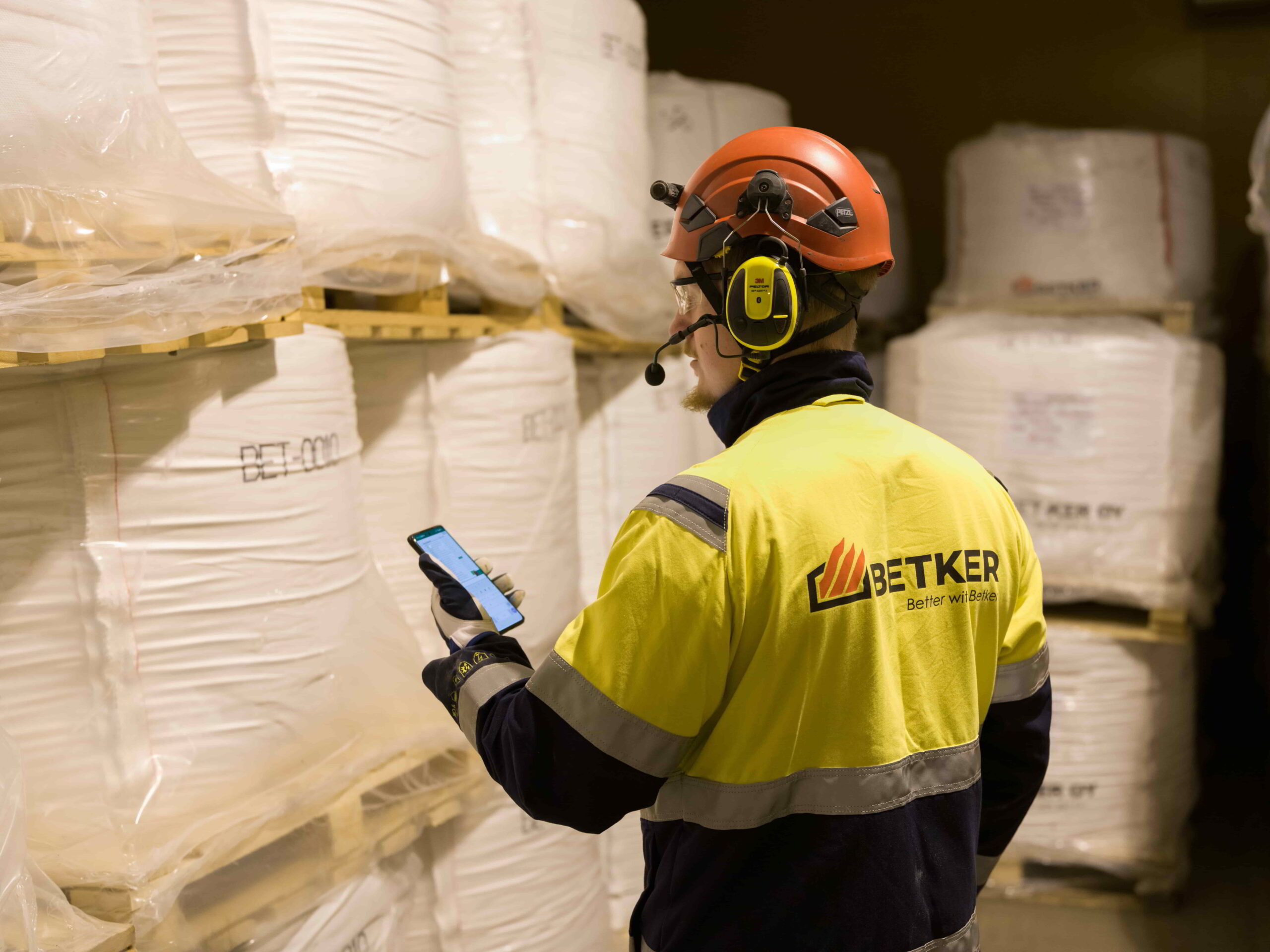
Your named Technical Support Engineer assesses what’s needed at your plant, plans the trials with you and is on site when the new solution goes into use. Support doesn’t end at delivery, and it comes as part of the collaboration at no extra charge.
On-site technical support: what it means in your day-to-day
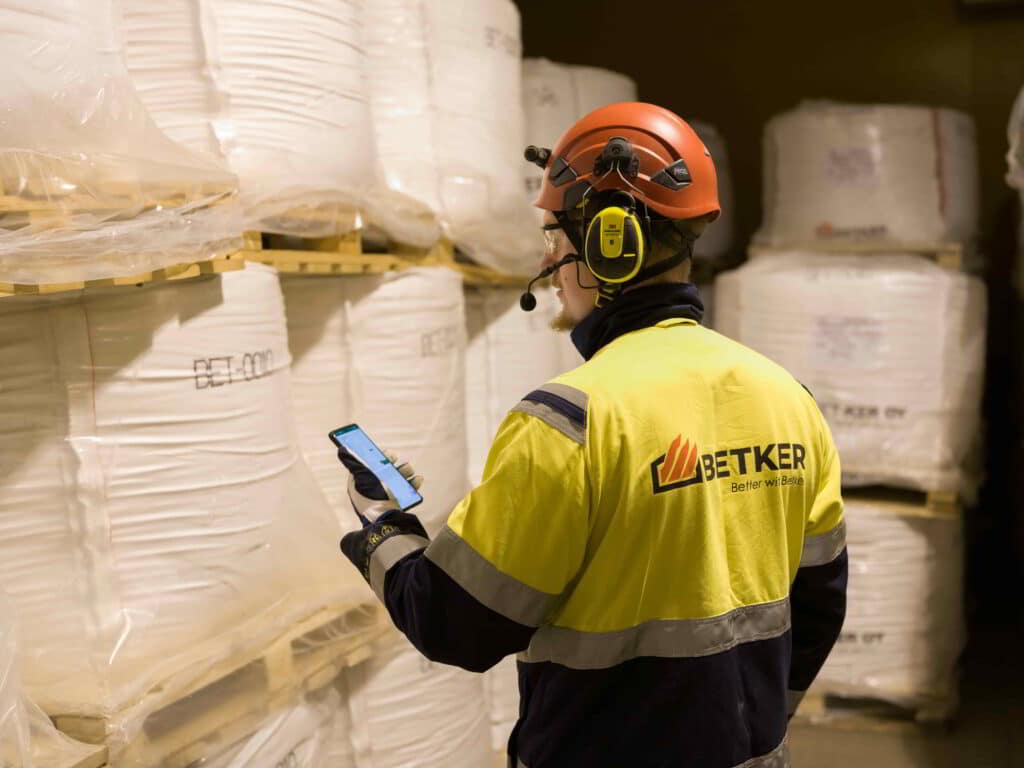
For many of our customers, the Technical Support Engineer is the most familiar face at Betker: someone who visits your plant regularly, even when everything is running smoothly, and who knows what’s going on in your process.
Knows your process from the inside
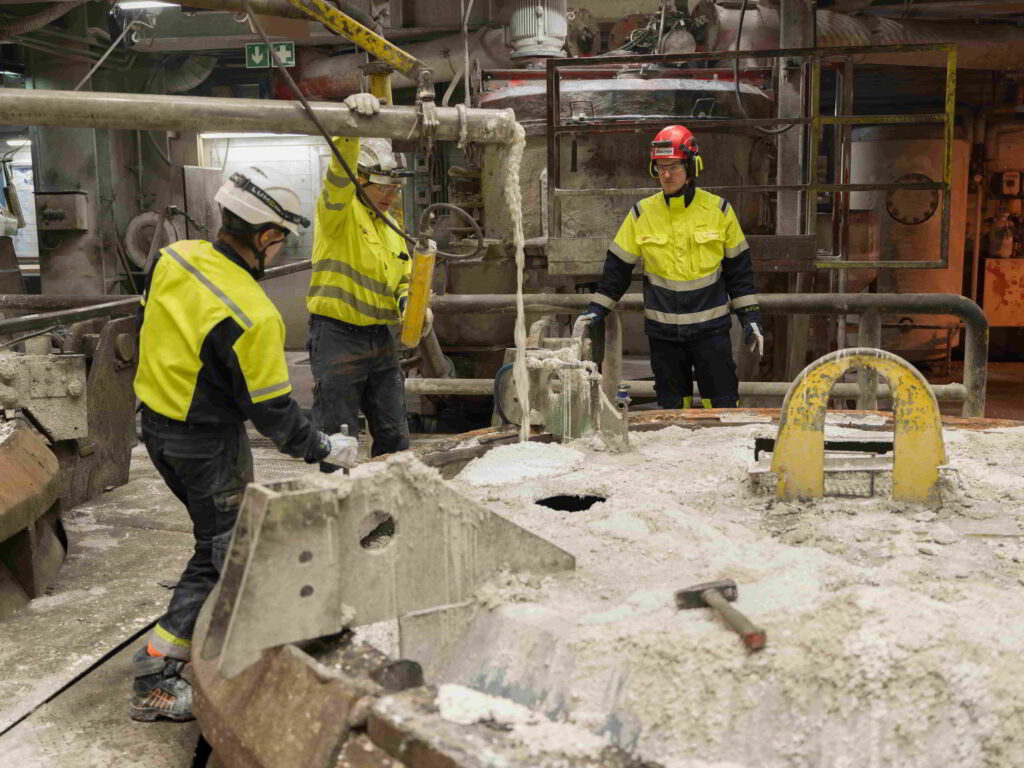
Many of our technical support specialists have previously worked at a steel plant, as melt shop operators, shift supervisors or in development roles. They know what a maintenance shutdown or a sudden lining failure looks like from the production side, and they speak the same language as your supervisors and installers.
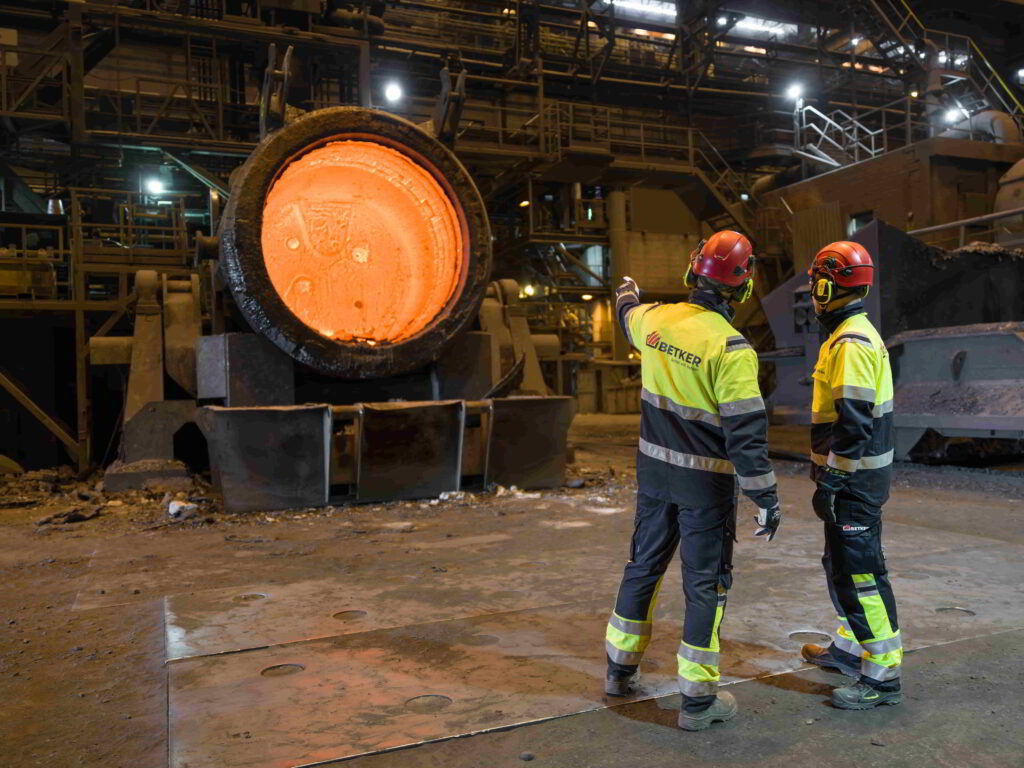
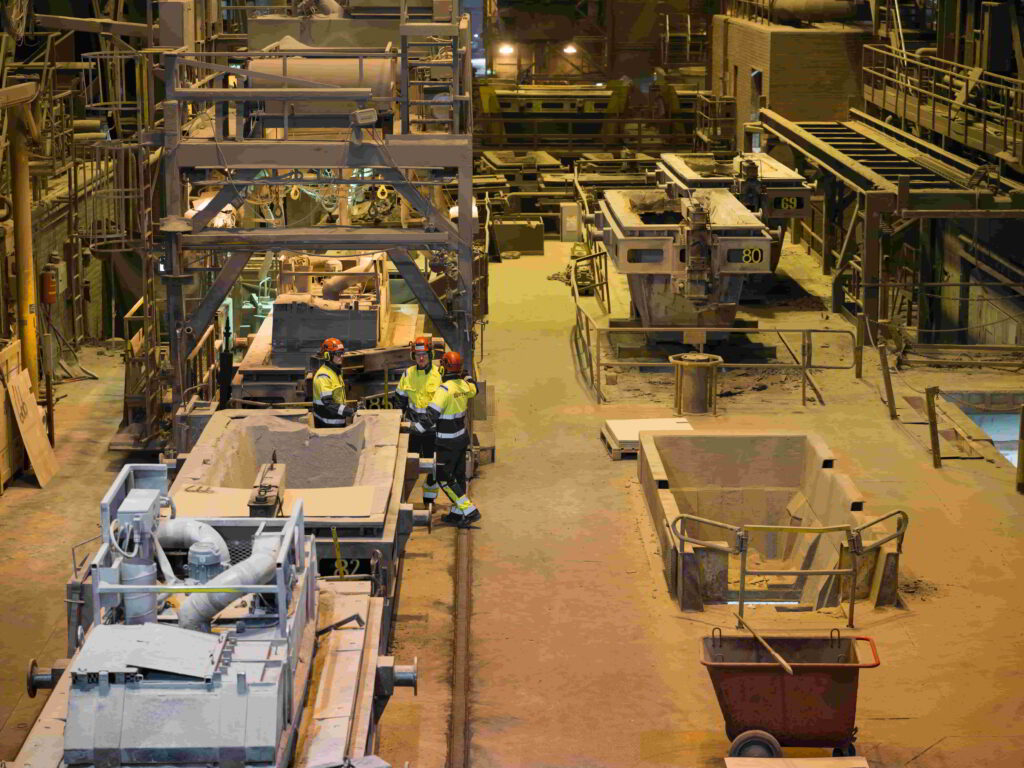
Visits the plant regularly
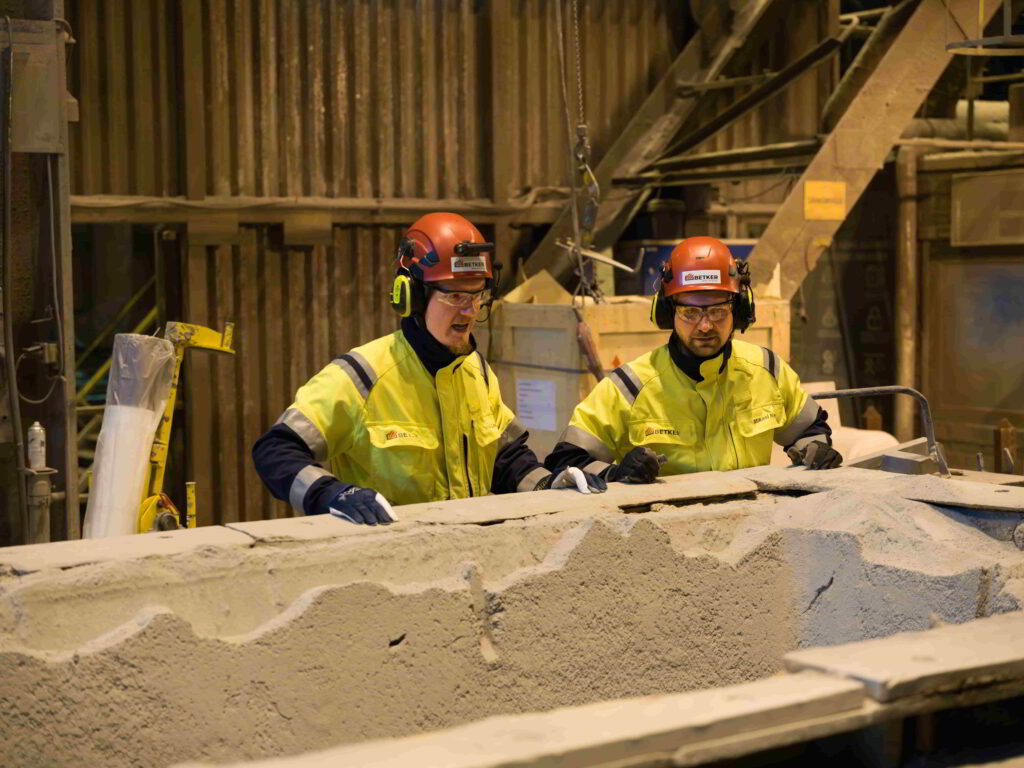
Regular visits are used to monitor lining wear, material behaviour and how smoothly installation goes, and to gather operating experience. Small deviations are spotted before they grow into big ones, and development work continues without the need for a separate project.
Leads the trials and development projects in practice
In development work, the Technical Support Engineer acts as the hands-on project leader. They gather data, evaluate technical alternatives, act as a sounding board for ideas and coordinate the work of Betker’s product development, production and, where needed, engineering workshops. Scheduling and technical approval run through them, so you have one person who knows where things stand. This is how the development of the circular injection lance progressed, for example.
Responds when the situation calls for it
When one customer’s stock was down to a few days’ supply after the Christmas holidays and the next standard delivery was two weeks away, we had material on site within four to five days, which kept the customer’s process up and running. Our own production, our own product development and short decision chains make this possible. We know your production runs around the clock, so sales and technical support can be reached in the summer too.
Determine stock levels and the delivery rhythm with you
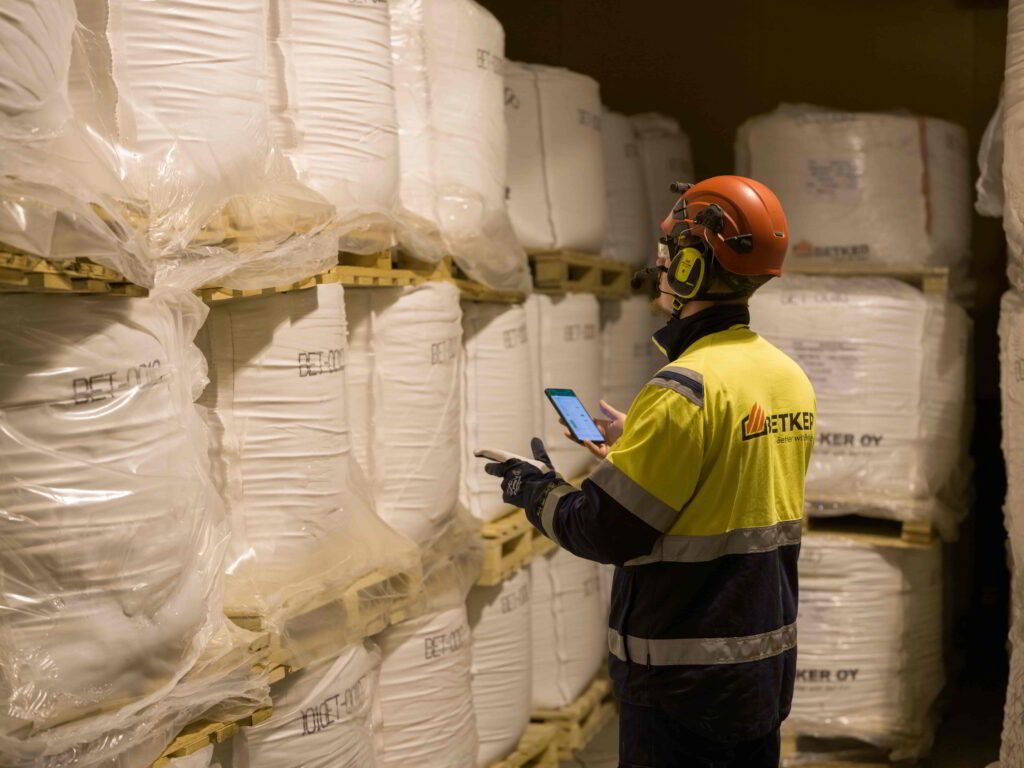
The delivery interval and stock level are agreed upon together, based on your maintenance cycle. In one customer case, moving from a six-month delivery interval to a two-month rhythm freed up to 40% of the capital tied up in stock. Where needed, we also offer silo solutions in which the need for a refill is identified automatically.
Feeds what they learn back into product development
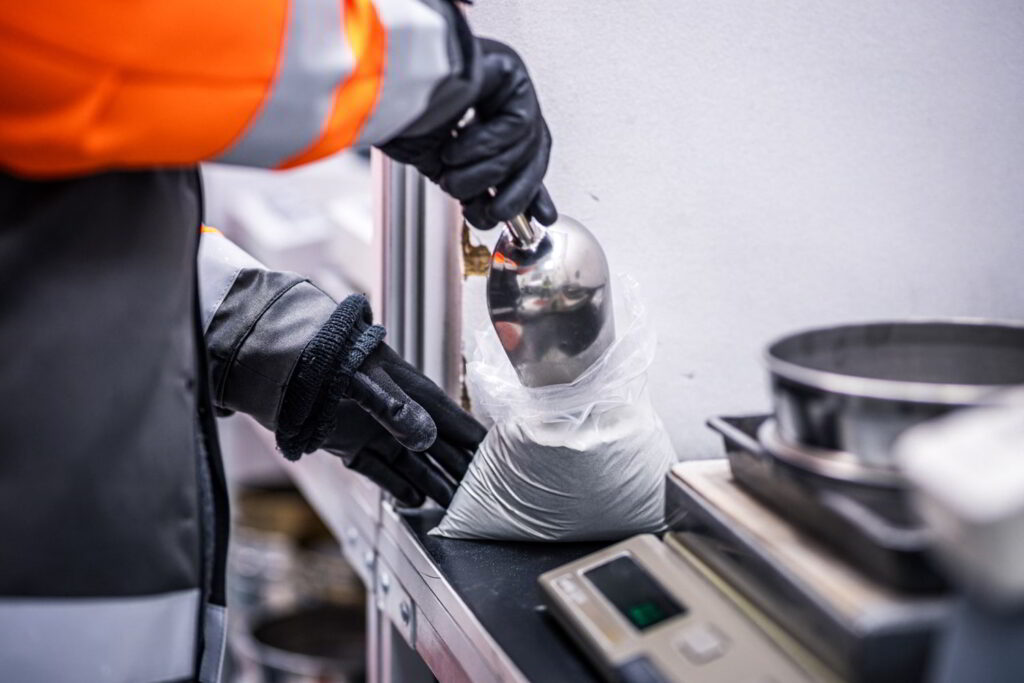
Observations gathered at the plant go straight to our product development team and laboratory in Ylivieska. Recipes are refined based on real operating experience, and the next trial batch is already a step better. That’s how your process and our products develop side by side.
Your service has been excellent. Thank you, and please keep up the customer visits.
Customer feedback, customer survey, June 2026
Figures from our customers’ processes
• 30% material savings in a tundish process
• Up to 40% lifecycle savings on CAS-OB bells
• Up to 40% of inventory capital freed up by tightening the delivery rhythm
• Up to 50% better delivery reliability
• NPS 72 in our customer survey, June 2026
One named contact who knows your plant
When the collaboration begins, you are assigned a named Technical Support Engineer who has overall responsibility for the refractory solutions at your plant: assessment, trials, deliveries and follow-up. You can call them directly, and they know your process from the very first assessment onwards.