High-temperature processes involve more than operational costs, and material consumption is also an environmental matter. Every unnecessary kilogram increases the carbon footprint and represents wasted potential. At Betker, we have seen that material usage can be reduced significantly when the process is viewed.
In this article, we share five practical ways to reduce material consumption and extend the lifetime of your lining.
1. Choose materials based on the process
Correct material selection starts with understanding the process. When refractory material is sized and specified according to the actual operating environment, both over-engineered and underperforming solutions and the waste they cause can be avoided.
An overly robust material may increase costs unnecessarily, while a lower-grade option shortens lining lifetime and increases maintenance needs.
2. Maintain and replace the lining at the right time
Wear is inevitable but managing it is a matter of choice. When a lining is repaired or replaced proactively before failure, both material usage and long-term costs are reduced.
Using a worn lining for too long increases the consumption of disposable materials and leads to higher emissions. Preventive maintenance extends the overall service life and reduces environmental impact.
3. Ensure installation equipment is functioning correctly and minimize dust
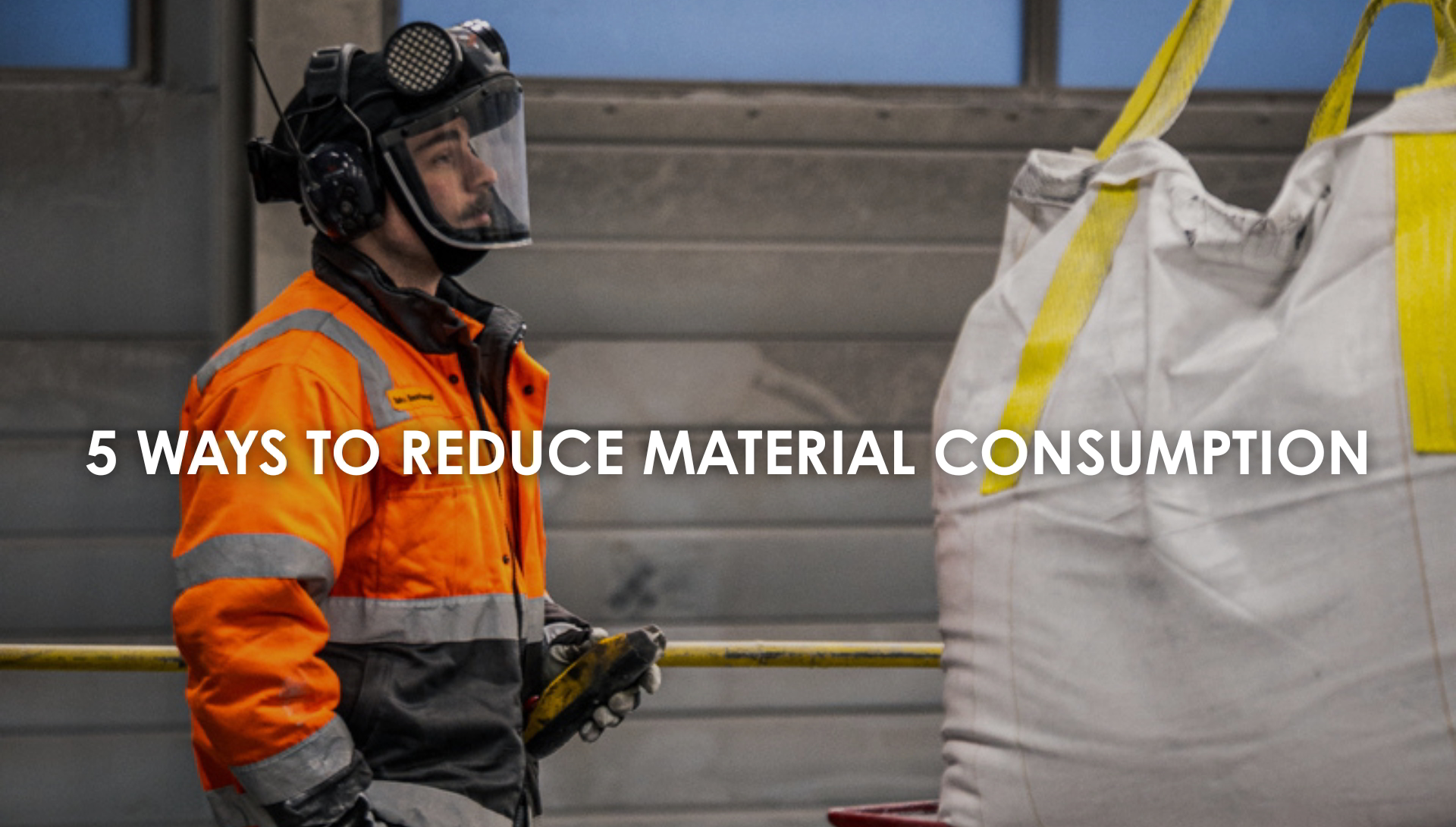
Properly functioning installation equipment is essential for material efficiency. If the equipment allows material to flow into the wrong place or produces an uneven installation, unnecessary waste and dust are created.
Dust is not only a workplace challenge; it is also a sign of material loss. Good installation practices and regular equipment maintenance minimize both.
4. Manage heat and process interruptions
Thermal shocks and repeated process stoppages stress the lining and shorten its lifetime. Keeping the temperature stable and managing heat effectively reduces material consumption and extends service life.
In practice, this means optimizing process continuity and energy efficiency, the same principles that guide Betker’s product development and customer support.
5. Use combination structures
For both efficiency and durability, combination structures often provide the best results. High-wear areas can be reinforced with higher-quality materials or greater lining thickness, while areas with less stress can use more cost-effective solutions.
This maximises the service life of the entire lining and reduces overall material consumption. A well-designed combination structure saves resources, reduces environmental impact, and delivers real lifecycle savings.
Less consumption, more durability
Material efficiency is not a single action; it is a continuous process. When systems are designed and maintained holistically, smaller material quantities can deliver longer service life and higher performance.
The benefits are visible both financially and environmentally: less waste, fewer emissions.
Would you like to assess the material efficiency of your process?
Get in touch, and let’s discuss how we can help reduce material consumption in your operation.